Call Module 2026-06: Stationary battery technologies and systems for climate-neutral industry and built environment
Stationary batteries will play an important role in enabling flexible and resilient energy systems. However, many existing battery solutions were originally developed for mobility applications and are not optimised for stationary use. Continued innovation is needed to improve performance, safety, cost and scalability.
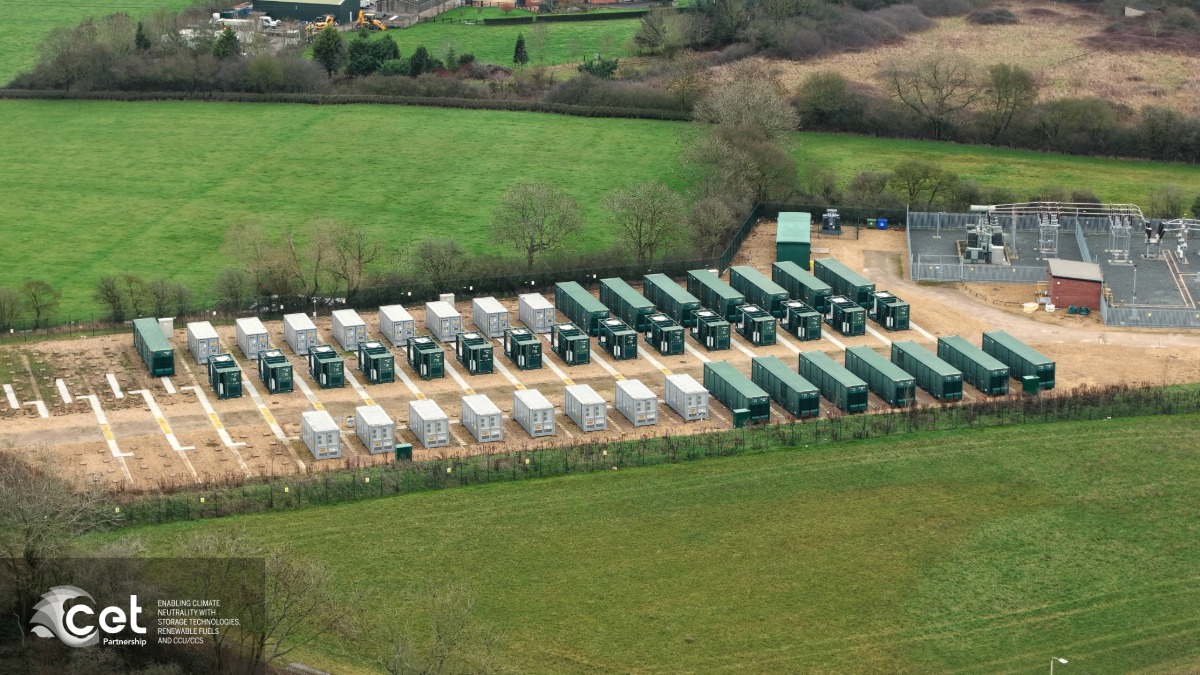
This call module focuses on research and innovation supporting the development of stationary battery technologies for behind-the-meter and microgrid applications within industry, commercial buildings, residential areas, AI data centers or energy communities. The call is battery chemistry-agnostic.
Proposals should address the following key challenges:
- Application-specific optimisation: Designing batteries for long lifetime under continuous cycling, high safety standards and integration into microgrids and building systems.
- High reliability requirements: Meeting the performance and resilience demands of industry and AI data centers.
- Cost competitiveness: Reducing total cost per delivered kWh while maintaining safety and durability.
- Sustainability across the value chain: Improving material efficiency and circularity.
- Industrial scale-up: Embedding manufacturability, supply chain robustness and business readiness from early R&D stages.
- System interoperability: Ensuring integration with local energy systems, distributed energy resources, and sector-specific constraints.
Proposals may address battery development activities for behind-the-meter and microgrid applications at component, pack or system levels, including modelling, design optimisation and sustainability assessments.
Proposals should demonstrate measurable progress towards high-performance, safe, cost-effective, and scalable stationary battery technologies. This includes validated modelling tools, improved design methodologies, and solutions supporting industrialisation.
Projects are expected to:
- Start at TRL 2 or higher
- End at TRL 8 or lower
- Include a partner representing stakeholders beyond the research community
Contact point: TRI3@cetpartnership.eu
Attention: This is just an introduction to the call module. Make sure to read the full call text before applying, including the detailed scope, requirements, and eligibility conditions, which will be published this summer.